Source Modern Handmade Ceramic Mug for Home, Hotel, Office
Compare 30 listings of modern handmade ceramic mug options from verified suppliers. Buyers can evaluate styles like pastoral and modern, materials including stoneware and porcelain, and customization features for coffee, tea, or gift applications.
Key considerations
Products List






Comprehensive Sourcing Guide
Strategic Sourcing Guide for Modern Handmade Ceramic Mugs
Understanding Product Attributes and Design Variations
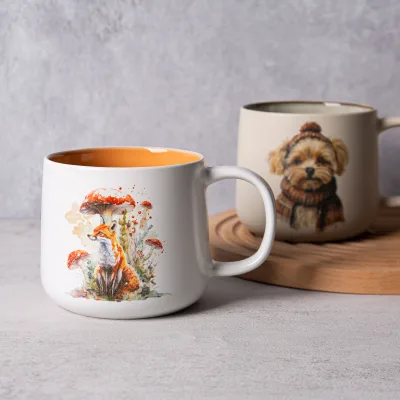
The modern handmade ceramic mug market is characterized by a diverse range of aesthetic and functional attributes that cater to specific B2B procurement needs. When evaluating potential inventory, buyers must distinguish between the various styles and structural designs available. The current market offers products ranging from strictly "Modern" styles to those featuring "Pastoral style," "Instagram style," or "Fresh and cute" aesthetics. These design variations often dictate the target demographic and the intended retail environment. For instance, a "Modern" style mug with a sleek profile may be suitable for corporate gifting or high-end office environments, whereas an "Irregular" shape or "Simple" design might appeal to boutique cafes or lifestyle brands focusing on artisanal appeal.
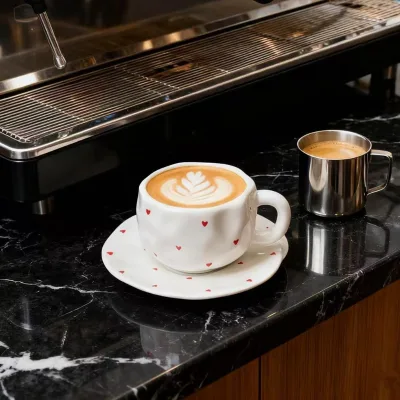
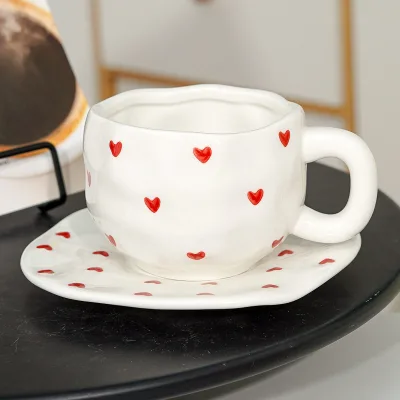
Material composition is a critical differentiator in this category. While the core keyword implies "handmade" craftsmanship, the underlying material specifications often include "Ceramic," "Stoneware," or "Porcelain." Some listings specify "Single-layer Ceramic Cup" structures, while others may imply double-walled or vacuum flask capabilities for temperature retention. The "Technics" applied to these mugs, such as "Glaze" finishes, significantly influence the tactile experience and visual appeal. Buyers should verify whether the "Glaze" application is uniform and whether the "Structure" supports the intended usage, such as withstanding high temperatures for hot beverages like coffee or tea. The "Shape" of the mug, whether "OEM / ODM" custom shapes or specific forms like "Heartbeat" designs, also plays a vital role in the product's marketability.
Technical Specifications and Packaging Standards
Technical specifications provide the quantitative framework necessary for logistics planning and inventory management. A primary consideration is the "Single package size," which varies significantly across different product lines. For example, some units may be packed in compact dimensions of 15x10x8 cm, while others, particularly those including saucers or gift sets, may require larger boxes measuring 20x20x20 cm. These dimensions directly impact shipping costs and warehouse storage efficiency. Similarly, the "Single gross weight" is a crucial metric for freight calculations. Weights can range from lightweight units around 0.350 kg to heavier sets exceeding 10.0 kg, depending on the inclusion of accessories like saucers or gift boxes.
Packaging options are equally variable and must align with the buyer's brand requirements. The market offers a spectrum of packaging types, including "White Box," "Color box," "Cylinder Box," and "Grid Box." For buyers seeking premium presentation, "Custom Packing Acceptable" and "With Gift Box" options are essential. The "Accessories" included with the mug, such as "HANDGRIP" or specific saucer designs, must be accounted for in the total package weight and dimensions. Furthermore, the "Capacity" of the mug is often "Customized," allowing buyers to tailor the volume to specific market demands, such as 350ml standard sizes or larger custom volumes. The "Model number" may be generic, such as "Custom," or specific, like "Heartbeat 52 cup and saucer sets," which aids in inventory tracking and SKU management.
Cost Drivers and Minimum Order Quantity Analysis
The economics of sourcing ceramic mugs are heavily influenced by the Minimum Order Quantity (MOQ) and the level of customization required. The observed MOQ range in the market is substantial, spanning from 100 pieces to 3,000 pieces. A lower MOQ, such as 100 pieces, may be suitable for testing new designs or for smaller boutique retailers, while higher MOQs of 1,500 pieces or more are typical for established brands seeking economies of scale. The "Selling Units" are often listed as "Single item," but the actual transaction may involve bulk sets.
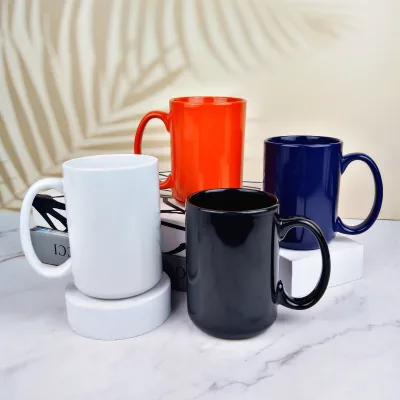
Cost drivers also include the extent of "Customization." Features such as "Customized Logo Acceptable," "Customized Color," and "Customized Design" add value but often increase the unit price and the lead time. The "Sample Time" for customized products is typically 7-15 days, which must be factored into the overall procurement timeline. Additionally, the "Production" capabilities, indicated by "OEM / ODM" options, suggest that buyers can request specific modifications to the mold or glaze, which further impacts cost. Buyers should be aware that "Hot Selling" items may have different pricing dynamics compared to niche, custom-designed pieces. The "Feature" of the product, such as being "Eco-Friendly" or "Sustainability" focused, may also influence the final cost structure, as sustainable materials or processes often carry a premium.
Compliance, Certification, and Material Safety
When sourcing ceramic drinkware, compliance with safety standards is paramount, particularly for products intended for food and beverage contact. While specific certification names are not universally listed in all product descriptions, buyers must verify that the materials used, such as "Stoneware" or "Porcelain," meet relevant food safety regulations. The "Function" of the mug, such as the ability to "Withstand High Temperatures," implies that the glaze and ceramic body must not leach harmful substances when exposed to hot liquids.
Buyers should request documentation confirming that the "Glaze" and "Material" are free from lead and cadmium, which are common concerns in ceramic manufacturing. The "Application" of the mug, ranging from "Home" and "Office" use to "Hotel," "Camping," and "Wedding" events, necessitates a high standard of durability and safety. For products marketed as "Eco-Friendly" or "Sustainability" focused, buyers should seek evidence of sustainable sourcing practices or recyclable packaging. The "Place of Origin," such as "Hunan, China" or "Zhejiang," may have specific regional manufacturing standards, but these do not replace the need for independent verification of safety compliance. It is essential to ensure that the "Single package size" and "Packing" materials are also compliant with international shipping and environmental regulations.
Supplier Evaluation and Production Capabilities
Evaluating suppliers requires a deep dive into their production capabilities and flexibility. The market includes suppliers offering "Customized" solutions, including "Customized Logo," "Customized Color," and "Customized" capacities. This flexibility is a strong indicator of a supplier's ability to meet specific B2B requirements. However, buyers must verify the "Sample Time" of 7-15 days to ensure it aligns with their product launch schedules. The "Style" of the supplier's portfolio, whether "Modern," "Pastoral," or "Instagram style," should match the buyer's brand identity.
The "Brand name" associated with the product, such as "Hualian" or "Hannuo," can provide insight into the supplier's market positioning, but buyers should not rely solely on brand recognition. Instead, they should assess the supplier's ability to handle "OEM / ODM" requests and their track record with "Custom Packing." The "Application" range of the supplier's products, from "Coffee" and "Tea" to "Beer" and "Water," indicates their versatility. Buyers should also consider the "Usage" scenarios, such as "Promotion," "Daily Use," "Gift," and "Birthday," to ensure the supplier can produce items suitable for various occasions. The "Design" capabilities, including the ability to create "Irregular" shapes or specific "Heartbeat" designs, are crucial for differentiation in a crowded market.
Quality Control and Long-Term Procurement Strategy
Quality control is the backbone of a successful procurement strategy for ceramic mugs. Buyers must establish clear criteria for "Glaze" quality, structural integrity, and "Color" consistency. The "Color" options, often listed as "Customized" with multiple variations, require rigorous testing to ensure that the final product matches the approved sample. The "Structure" of the mug, particularly "Single-layer Ceramic Cup" designs, must be inspected for cracks or defects that could compromise durability.
For long-term procurement, buyers should consider the "Lead Time" and "Sample Time" when planning their inventory. A "Sample Time" of 7-15 days suggests that customization processes are time-intensive, and buyers should factor this into their production schedules. The "MOQ" of 100 to 3,000 pieces offers flexibility, but buyers should negotiate terms that allow for smaller initial orders to test the market before committing to larger volumes. The "Feature" of the product, such as "Eco-Friendly" or "Sustainability," should be a consistent part of the quality assurance process to maintain brand integrity. Finally, buyers should evaluate the "Packing" options to ensure that the "White Box," "Color box," or "Custom Packing" protects the product during transit and enhances the unboxing experience for the end consumer. By focusing on these technical, logistical, and quality aspects, buyers can build a robust supply chain for modern handmade ceramic mugs that meets both current demands and future growth objectives.
FAQs
What materials are used for modern handmade ceramic mugs?
These mugs are primarily made from ceramic, stoneware, or porcelain materials. Some listings specify single-layer ceramic cup structures with glaze finishes to ensure durability and safety for hot beverages like coffee and tea.
Can I request customized colors and logos for these mugs?
Yes, customized colors and logos are acceptable for these products. Buyers can request specific designs, and the supplier accepts custom packing options to meet unique branding requirements for corporate or retail use.
What is the minimum order quantity for sourcing these mugs?
The minimum order quantity ranges from 100 pieces to 3,000 pieces depending on the supplier. Lower MOQs suit boutique retailers, while higher volumes are typical for established brands seeking economies of scale in bulk procurement.
How long does it take to receive samples for these mugs?
Sample time typically takes between 7 to 15 days for customized products. This lead time must be factored into procurement schedules, especially when specific designs or custom colors are requested before full production begins.
Which packaging options are available for these ceramic mugs?
Available packaging includes white boxes, color boxes, cylinder boxes, and grid boxes. Custom packing is also acceptable, and some sets come with gift boxes or handgrips to enhance the unboxing experience for end consumers.
Where are these modern handmade ceramic mugs manufactured?
These mugs originate from regions in China, specifically Hunan and Zhejiang provinces. The place of origin influences regional manufacturing standards, though buyers should verify specific safety compliance for food contact applications.
What styles are available for modern handmade ceramic mugs?
Styles range from modern and simple designs to pastoral, Instagram, and fresh cute aesthetics. Some products feature irregular shapes or specific designs like heartbeats, catering to diverse retail environments from offices to cafes.